











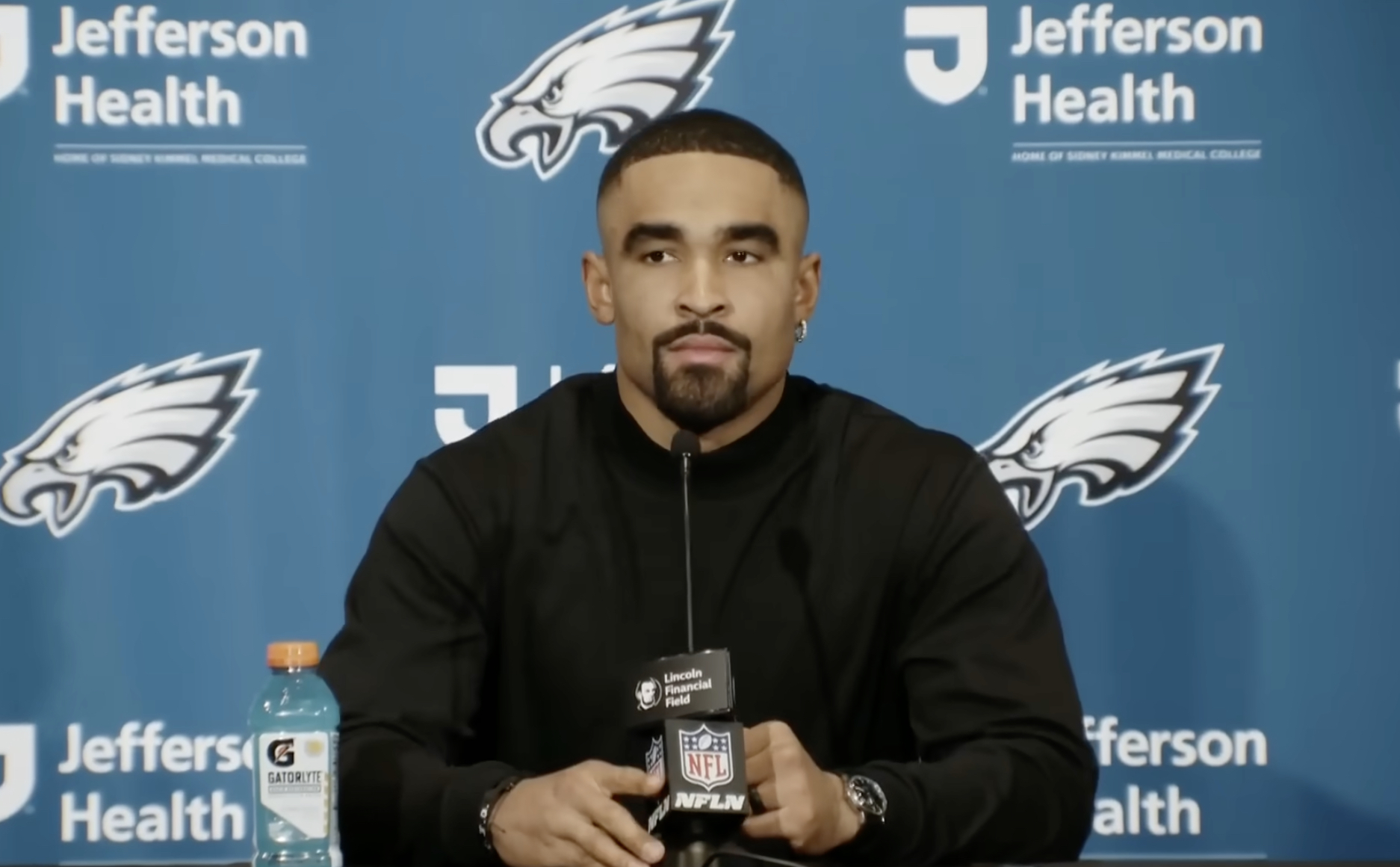
The Philadelphia Eagles possess the requisite star power to contend for championships, but the next evolution of their offense hinges on schematic efficiency. Sean Mannion’s integration into the coaching staff is designed to refine the system, making it more intuitive and explosive for Jalen Hurts. With 2026 as the target for a revamped offensive approach, early reports indicate Mannion is already making a significant impact on the roster’s youngest players. For Hurts, this transition represents an opportunity to move away from a “hero ball” mentality and toward a structured, high-tempo attack that prioritizes rhythm and timing.
How Mannion Can Simplify the Passing Game for Jalen Hurts
Mannion’s projected role as the primary play-caller in 2026 signals a fundamental shift toward a more modernized offensive philosophy. The Eagles have historically relied on individual brilliance from Hurts and his elite receiving corps, but that can lead to stagnation when defenses successfully take away initial reads. By implementing a cleaner structural framework, Mannion can help Hurts process the field with greater speed. This involves increasing the frequency of pre-snap motion and play-action designs, allowing the quarterback to find his rhythm early in drives rather than holding the ball while waiting for deep-developing routes to open up.
Expanding the Playbook to the Middle of the Field
A consistent critique of Philadelphia’s recent offensive output has been a heavy reliance on sideline shots and the ground game. Under Mannion, the Eagles are expected to weaponize the middle of the field more effectively. Incorporating West Coast offensive principles—such as shallow crossers, in-breaking routes, and quick seams—forces defensive coordinators to defend every inch of the turf. This approach creates “layup” completions, reducing the mental toll on Hurts while maximizing the yardage-after-catch potential of his playmakers. Instead of every big play requiring a difficult, contested catch, the system can generate yards through scheme and timing.
Recent Draft Picks Support a New Offensive Identity
The Eagles’ recent draft strategy clearly aligns with this schematic shift. Selecting Makai Lemon at No. 20 provides the offense with a dynamic slot presence capable of winning quickly at the line of scrimmage. Lemon’s ability to create separation on short and intermediate routes perfectly complements the deep-threat capabilities of A.J. Brown and DeVonta Smith. Furthermore, the second-round addition of Eli Stowers adds a unique dimension to the passing game. As a former quarterback and Mackey Award winner, Stowers offers the versatility to exploit mismatches against linebackers and safeties, giving Mannion a versatile chess piece to dictate coverage before the snap.
Howie Roseman’s Strategic Roster Balancing
General Manager Howie Roseman’s ability to balance immediate defensive needs with long-term offensive goals was on full display during the team’s latest personnel moves. By skillfully navigating draft-day trades, Roseman secured a high-upside receiver like Lemon while also acquiring veteran pass rusher Jonathan Greenard to bolster Vic Fangio’s defense. Greenard, a proven producer with double-digit sack potential, ensures that the Eagles can protect leads while Mannion’s offense finds its footing. This dual-track approach ensures the roster remains well-rounded, providing the coaching staff with the necessary talent on both sides of the ball to compete at the highest level.
Final Thoughts: The Stakes for Mannion and the Eagles
While the initial buzz surrounding Mannion’s influence is promising, the true test will occur when these designs are put into practice on Sundays. The goal is not to fundamentally change Jalen Hurts, but to surround him with a system that provides more “clean” answers against complex defenses. By bridging the gap between elite talent and schematic efficiency, the Eagles are positioning themselves to have one of the NFL’s most balanced and unpredictable attacks. If Mannion can successfully integrate these new tools and strategies, Philadelphia will finally have an offensive identity that matches the championship-caliber ceiling of its roster.