







Legislative Push Revives College Sports Reform Bill
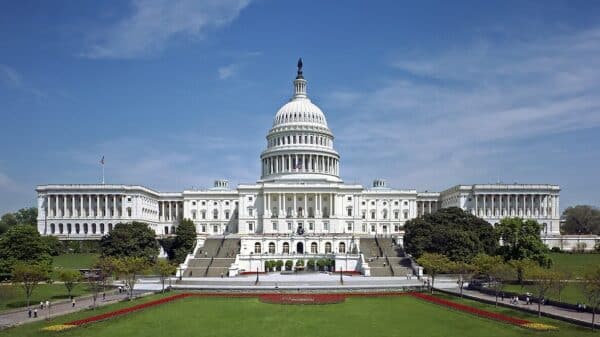
Federal legislation addressing the structure of collegiate athletics, previously thought to be stalled in Washington, is gaining momentum due to renewed lobbying efforts and ongoing discussions regarding potential adjustments.
House Republican leadership established a firm timeline for the Protect College Sports Act on Thursday, providing the legislation with a designated target for floor action.
House Majority Leader Steve Scalise, Education and Workforce Committee Chairman Tim Walberg, and Energy and Commerce Committee Chairman Brett Guthrie announced in a joint statement that they intend to bring the high-profile college sports measure to the House floor during the first week of December, coinciding with conference championship weekend.
The Republican leaders emphasized the urgent need for action, stating that collegiate athletics have reached a critical juncture requiring robust antitrust protections to eliminate the current disorganized regulatory landscape. They expressed determination to deliver a completed bill to President Trump’s desk to secure the future of college sports.
Challenges Facing the Legislation in the House
Leadership also noted that the current version of the Protect College Sports Act encounters significant resistance within the House from various factions of their own conference who object to specific provisions, in addition to complete opposition from Democrats.
To preserve fragile coalitions across both chambers, officials are collaborating with members to resolve as many concerns as possible while keeping proposed modifications minimal.
Any alterations made to the measure would necessitate returning the bill to the Senate—which originally passed it by a 77-22 margin on September 28—for another vote. With a rapidly closing legislative window, doubts regarding the bill’s ultimate passage are growing. Both legislative chambers must conclude their business before the new Congress is sworn in on January 3, otherwise the entire legislative process must restart under a Democratic-controlled Congress. Furthermore, the House’s final scheduled workday is December 17, and federal funding is set to expire on December 11.
High-Profile Lobbying Efforts on Capitol Hill
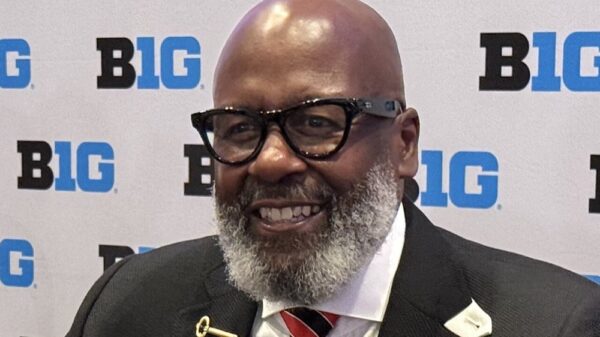
Prominent advocates for the legislation outside of Washington, including Texas Tech booster Cody Campbell and New York Yankees President Randy Levine, spent Thursday conducting meetings on Capitol Hill. Industry sources also indicate that Big Ten Commissioner Tony Pettiti is actively lobbying in favor of the bill.
Campbell, whose Saving College Sports organization has financed a major advertising campaign during collegiate football broadcasts, and Levine, who serves as vice chair of President Trump’s college sports roundtable, have spearheaded external support for the measure. Sources close to Campbell report that supporters remain confident the bill commands sufficient backing to clear the House and feel encouraged by Scalise’s commitment to schedule a vote.
Levine adopted a direct tone in correspondence directed at House members last week, urging them to pass the legislation and warning that history will judge their decision.
Internal Republican Divisions and Key Objections
Scalise has previously emerged as a notable Republican skeptic of the Protect College Sports Act and a proponent of the House’s alternative measure, the SCORE Act, which leadership withdrew from the floor on three separate occasions earlier this year. He previously indicated that the bill’s neutral stance regarding the employment status of athletes requires resolution through amendments.
However, opposition extends beyond a single clause within the 171-page proposal. The legislation aims to grant universities, athletic conferences, and the NCAA specific antitrust safeguards to regulate athlete compensation, eligibility standards, and transfer rules. It would also replace fragmented state name, image, and likeness (NIL) statutes and establish a revenue-sharing ceiling of $48.8 million per institution.
A primary point of contention involves a rule limiting power conferences to 20 member schools and prohibiting coaches from accepting positions at other universities during an active season.
In an October letter, 21 House Republicans opposed both the 20-member limit and a mandatory three-year waiting period for institutions changing athletic conferences. Many of these representatives represent districts in states with ACC member universities that have actively explored departure strategies from their current league.
Florida Representative Byron Donalds expressed strong disapproval of the legislation last week.
Additional lawmakers are pushing for an explicit prohibition against classifying student-athletes as employees, alongside restrictions on international roster participants. Representative Walberg, one of the three House leaders supporting the push for a vote, hosted a press conference to outline his independent legislative proposal, the TEAM USA Act, which seeks to cap international student-athletes at 20 percent of varsity rosters.
Democratic Opposition and Conference Self-Governance Plans
Democratic lawmakers represent perhaps the most substantial hurdle for the bill. The Congressional Black Caucus formally criticized the measure immediately following the Senate vote, pointing to concerns regarding funding for Historically Black Colleges and Universities (HBCUs), the absence of formal employment rights for athletes, and restrictions on their legal recourse. Additionally, Democrats—who secured control of both chambers in the November 3 midterm elections—possess little motivation to grant a legislative victory to the outgoing Republican majority, which currently maintains a narrow 218-214 advantage in the lame-duck session.
Senator Ted Cruz, the primary Republican author of the bill, has engaged in negotiations with House Democrats. Potential compromises under consideration include pathways to student loan forgiveness for HBCU attendees, either embedded within the broader bill or as separate legislation.
Simultaneously, athletic conferences are developing independent governance frameworks to manage athlete compensation and eligibility requirements more effectively. SEC Commissioner Greg Sankey remarked that the conference is preparing for any legislative outcome, noting that political shifts carry distinct consequences.
In parallel, the Knight Commission on Intercollegiate Athletics recommended that athletic conferences take autonomous action. The commission advised leagues to cap expenditures related to coaching salaries, contract buyouts, recruiting budgets, and athletic facilities. Furthermore, the commission proposed setting aside a portion of conference revenue exclusively for institutions that verify adherence to established regulations, while mandating that every Division I athletic department publicly disclose athlete compensation categorized by sport.
The commission emphasized that athletic conferences should implement these governance standards regardless of whether the federal legislation successfully passes.
In summary, as Capitol Hill faces a compressed two-week timeline, House leadership is working urgently to bring the polarizing college sports bill to the floor before the legislative session concludes.