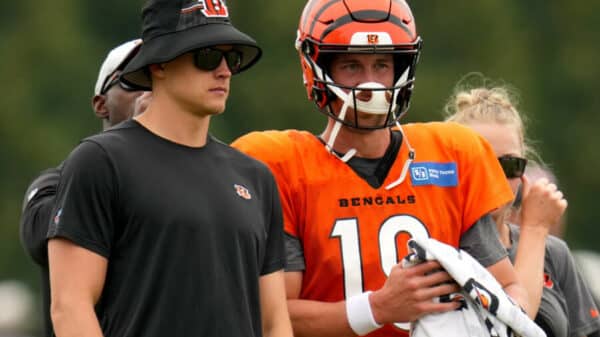





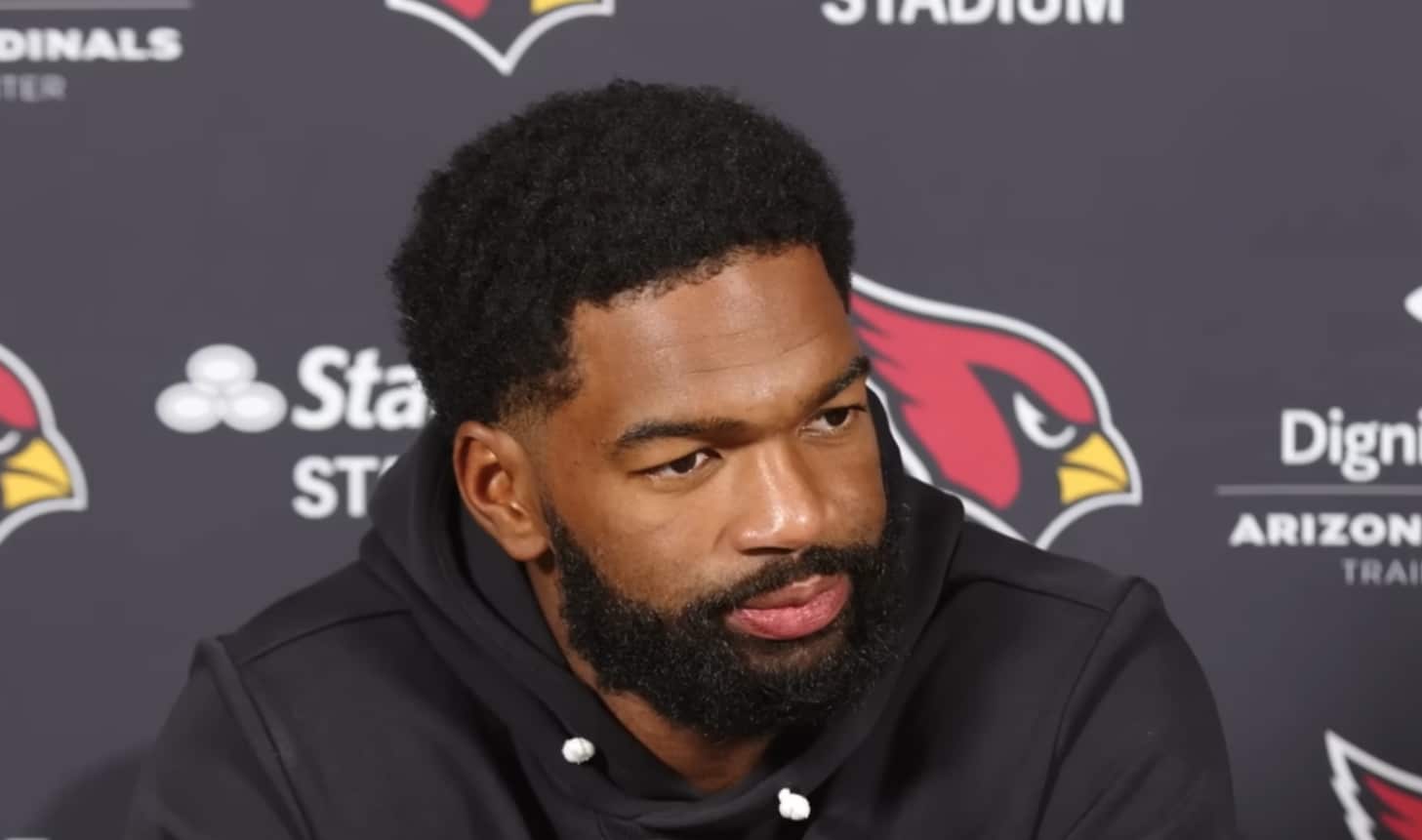
Marvin Harrison Jr. is navigating a delicate balance between teammate loyalty and professional progression. Recently, the star wideout expressed support for quarterback Jacoby Brissett’s decision to hold out for a contract adjustment, yet he was candid about the negative impact on the field. Harrison noted that building essential chemistry is nearly impossible when the primary passer is absent, stating that Brissett “has to be here” for that rapport to develop. While Harrison respects the business side of the NFL, the reality is that he is currently catching passes from Gardner Minshew and rookie Carson Beck rather than the veteran expected to lead the offense.
The Recurring Challenge of Under-Center Inconsistency
Harrison entered the league with the pedigree of a No. 4 overall pick and a Biletnikoff Award winner, but his professional trajectory has been hindered by factors beyond his control. His early career has been characterized by a lack of stability at the quarterback position. Between Kyler Murray’s struggles with injury and performance and Brissett’s difficult 1-11 stretch as a starter last season, Harrison has yet to benefit from a sustained partnership with an elite passer.
The situation appears to be part of a larger organizational trend. With the front office reportedly viewing the upcoming seasons as a “bridge” period, there is a legitimate concern that Harrison is spending his athletic prime waiting for the franchise to solve its long-term quarterback puzzle. For a player with Hall of Fame bloodlines, being stuck in a perpetual state of transition is a significant hurdle to individual and team success.
Why Missing Offseason Repetitions Hinders Growth
The frustration surrounding the holdout stems from more than just missed practices; it is about the lost opportunity to master the nuances of the passing game. Elite receiver-quarterback duos rely on anticipation and “blind” trust—specifically on back-shoulder fades and timing routes where the ball must be released before the break. These skills are forged during voluntary spring workouts, especially when a team is transitioning to a new offensive scheme, such as the one being implemented by Mike LaFleur.
For Harrison, who is entering a critical phase of his development, these missed sessions compound an already difficult situation. When the quarterback is a journeyman rather than an established superstar, the need for extra repetitions becomes even more vital. The current holdout serves as an immediate distraction, but it points to a deeper strategic problem: the risk of wasting a premium talent’s peak years while the organization remains in search of a permanent solution under center.
Final Thoughts
Marvin Harrison Jr.’s comments highlight the friction between individual career goals and the collective needs of an NFL roster. While he remains a professional who supports his teammates’ rights to negotiate, the lack of a consistent quarterback continues to be the primary obstacle in his path to greatness. As Arizona continues its rebuilding phase, the priority must shift toward maximizing Harrison’s elite window before the “bridge year” philosophy results in more lost opportunities for their most talented offensive weapon.