






The landscape of collegiate athletics is navigating a period of unprecedented instability, prompting a bipartisan effort in Washington to establish a federal framework. Recently, Senators Ted Cruz (R-Texas) and Maria Cantwell (D-Wash.) introduced the “Protect College Sports Act,” a legislative proposal aimed at bringing order to the current environment. To discuss the implications of the bill, several influential figures from the world of sports provided testimony during a recent Senate Commerce Committee hearing.
This proposed legislation seeks to stabilize the shifting dynamics of college football and basketball while ensuring the continued viability of non-revenue programs, including Olympic and women’s sports. A central component of the act is granting the NCAA limited antitrust immunity. This protection would empower the organization to implement and enforce consistent regulations regarding athlete eligibility and the transfer portal without the constant threat of litigation.
The Protect College Sports Act outlines several transformative measures designed to standardize the industry:
- Implementing a singular federal NIL (Name, Image, and Likeness) law to replace the current patchwork of varying state regulations.
- Providing the NCAA and individual conferences with enhanced antitrust protections against legal challenges.
- Establishing a federal system for the oversight and public disclosure of NIL agreements.
- Increasing the regulatory requirements for boosters, NIL collectives, and sports agents.
- Authorizing governing bodies to evaluate NIL deals to ensure they reflect “fair market value.”
- Granting collegiate governing bodies more control over transfer policies and tampering violations.
- Mandating that institutions provide standardized health, safety, and academic support for athletes.
- Limiting certain types of mid-season coaching changes and hiring practices.
- Codifying the financial structures established by the House vs. NCAA settlement into federal law.
- Boosting the NCAA’s power to uphold rules concerning athlete compensation and eligibility.
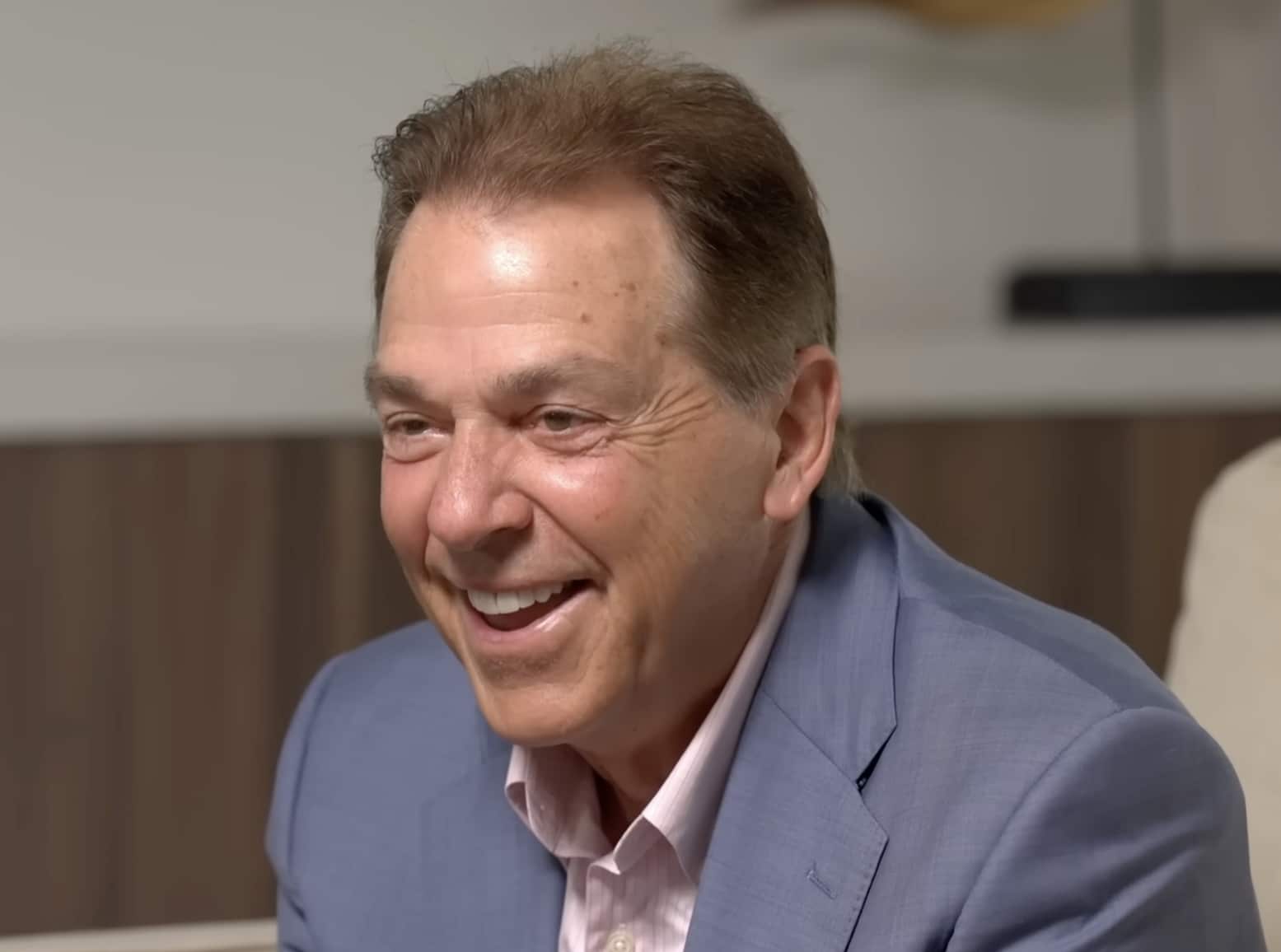
The hearing featured a panel of notable witnesses, including retired Alabama football coach Nick Saban, Notre Dame athletic director Pete Bevacqua, former university president Gordon Gee, Pac-12 commissioner Teresa Gould, and Utah football player Lance Holtzclaw. Over several hours, these experts detailed the challenges of the modern era, from the spiraling costs of roster management to the necessity of protecting the broader educational mission of universities.
Curbing the Influence of NIL Collectives and Unregulated Compensation
During his testimony, Nick Saban reflected on the rapid financial escalation he witnessed before his retirement following the 2023 season. He detailed a staggering trajectory for roster costs at Alabama, noting that the school’s collective grew from $2.7 million in its first year to a projected $24 million shortly after his departure. He pointed out that some programs are now operating with roster budgets approaching $40 million.
Saban described the current climate of bidding wars between schools as a “race to the bottom,” warning that if schools feel forced to overspend to remain competitive, they risk draining resources from other athletic programs and alienating their donor bases. Both Saban and Bevacqua advocated for restricting the influence of independent boosters and collectives who use NIL as a loophole to bypass revenue-sharing limitations.
Bevacqua argued that the revenue-sharing cap established by the House vs. NCAA settlement is currently too restrictive. He suggested that raising this cap would allow universities to pay athletes directly and transparently, reducing the reliance on external “pay-for-play” deals brokered by third parties. By bringing more compensation under the direct control of the university, Bevacqua believes the system will become more manageable and honest.
While the Protect College Sports Act proposes mechanisms to review NIL deals for fair market value and regulate collectives, it currently does not include provisions to address the rising costs of coaching salaries or contract buyouts.
Establishing Professional Standards and Oversight for Athlete Agents
Another major point of consensus among the witnesses was the need for rigorous oversight of agents representing college athletes. Saban and Bevacqua argued that the standards for collegiate agents should mirror those found in professional leagues like the NFL to protect young athletes from predatory practices.
Saban highlighted a significant disparity in commission rates, noting that while NFL agents typically charge between 3% and 5%, some college athletes are being charged as much as 20% by their representatives. Bevacqua emphasized that many 17- and 18-year-old athletes lack the experience to negotiate fair terms and are often unaware of industry standards.
To combat this, Bevacqua proposed the creation of a mandatory registry or database for agents and the implementation of a formal cap on commissions. These measures would ensure that student-athletes are not exploited during the negotiation of NIL agreements.
Challenging the Influence of Conference Commissioners and Pooling Media Revenue
Gordon Gee, who has led five different universities, offered a candid assessment of how college athletics reached its current state. He attributed much of the instability to conference commissioners, whom he suggested have focused more on profit and media products than the “student” aspect of the student-athlete experience. Gee called for university presidents to reassert their authority over athletic departments to realign sports with the broader academic mission.
With college sports projected to face a $5 billion shortfall in 2026, Gee expressed deep concern regarding the financial sustainability of many institutions. He suggested that the antitrust protections offered in the new bill could allow conferences to pool their media rights, similar to the models used by the NFL and NBA. By negotiating collectively, Gee believes the industry can “grow the pie” and distribute revenue more equitably across universities.
Teresa Gould, reflecting on the near-collapse of the Pac-12, noted that extreme economic pressures have often forced decision-makers to prioritize financial gain over the well-being of the athletes. She argued that the current system of conference realignment has largely moved away from a student-centered approach in favor of chasing media revenue.
Safeguarding the Future of Women’s and Olympic Sports
A significant portion of the discussion focused on the vulnerability of non-revenue sports. As athletic departments funnel more money into football and basketball to stay competitive, smaller programs—often referred to as Olympic or “broad-based” sports—are frequently the first to face budget cuts or elimination.
Gould noted that schools within high-revenue “autonomy” conferences have a significant advantage in maintaining these programs, while other institutions struggle to keep them afloat. She emphasized that the widening financial gap is putting the diversity of collegiate sports at risk.
To address this, Bevacqua proposed a potential requirement linked to the revenue-sharing cap. He suggested that if a university chooses to exceed a certain spending threshold, they could be mandated to reinvest a specific percentage—perhaps 20 to 25 cents for every dollar—directly into women’s and Olympic sports. This “subsidy” would ensure that the success of major programs helps sustain the entire athletic department.
Pushback from Power Players: The SEC and Big Ten Perspectives
Despite the support from several leaders in the field, the two most powerful conferences in college sports remain skeptical of the Protect College Sports Act. Shortly before the hearing, the SEC and Big Ten issued a joint statement voicing their opposition to the bill in its current form.
These conferences expressed concern that the legislation would give Congress too much control over collegiate athletics, potentially reducing the ability of conferences to adapt to a changing market. They also argued that the bill might actually lead to more litigation and disrupt the revenue-sharing models that are currently being implemented.
SEC Commissioner Greg Sankey has previously stated that while federal intervention is necessary to prevent further fragmentation of college sports, any legislation must be carefully crafted. Based on the recent joint statement, it appears the SEC and Big Ten believe this specific act does not yet offer the right solutions for the future of the industry.
Final Thoughts on the Path to Reform
The testimony provided to the Senate Commerce Committee underscores a fundamental tension in college athletics: the need for national standardization versus the desire for conference autonomy. While figures like Nick Saban and Pete Bevacqua see federal legislation as the only way to curb “pay-for-play” bidding wars and protect athletes from predatory agents, the resistance from the SEC and Big Ten suggests a difficult road ahead for the Protect College Sports Act. As roster costs continue to climb and the financial gap between conferences widens, the success of this bill may depend on finding a middle ground that satisfies both the need for oversight and the demand for flexibility among the nation’s most powerful athletic programs.