











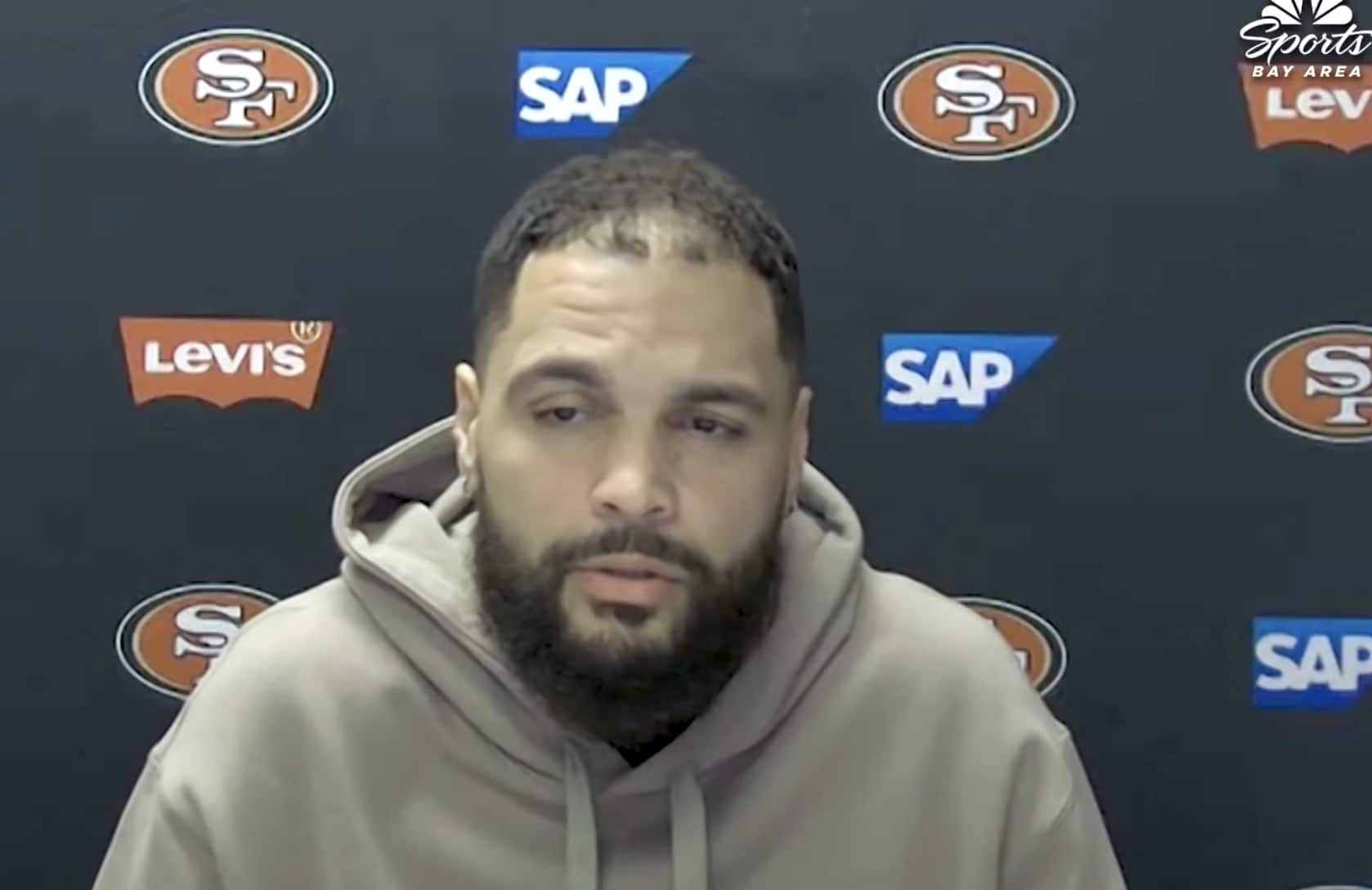
When a seasoned wide receiver departs from a franchise where he has spent his entire career, the decision often comprises more than just financial considerations or geographical changes. For Mike Evans, leaving the Tampa Bay Buccaneers after a remarkable tenure was about seeking not only a viable route to the Super Bowl but also a system that would best utilize his skills as he embraces his 32nd year. This quest led him to the San Francisco 49ers, a team widely recognized for its well-rounded roster but lacking a consistently dominant outside receiving threat the previous season.
Former Hall of Fame receiver Cris Carter believes that this transition is not just favorable but ideal for Evans. Discussing Evans’ move, Carter highlighted a facet of the veteran’s game that sometimes fades into the background amid his highlight-reel catches and red-zone success.
Perfect Fit for the 49ers
“That’s a perfect spot for him,” Carter remarked. “They need wide receiver help. And with their overall physicality, one of the things we never talk about receivers because it doesn’t come into play that much: he is an amazing blocker. Their entire team mentality of being the bullies on the block will match perfectly with his skill set.”
Valuable Role in a Dynamic Offense
This blocking ability holds immense value in a San Francisco offense that thrives on the versatility of Christian McCaffrey and the run-centric strategies of head coach Kyle Shanahan. Carter elaborated that Evans’ presence on the outside creates challenging decisions for opposing defenses.
“With McCaffrey, they run the ball so effectively and they get him the ball in various ways, forcing defenses to allocate numerous players to the line of scrimmage. He’s going to attract a lot of one-on-one coverage,” Carter explained. “If teams attempt to double-team or deploy two high safeties, they might end up yielding a weak side they can exploit.”
Addressing a Critical Need
The rationale behind Evans’ signing aligns closely with his own insights shared during his introductory press conference, where he characterized San Francisco as a team that has been merely “one piece away” from completing its postseason objectives. Despite reaching the playoffs last year, the 49ers experienced challenges due to injuries among their receiving unit and uncertainties about Brandon Aiyuk’s availability during the 2025 season.
From a roster management perspective, Evans’ addition supplies the 49ers with a dimension they lacked in vital moments: a robust, boundary receiver capable of winning contested balls and drawing safety attention within the red zone. This has been a role Evans excelled at during his years in Tampa Bay, where he posted 11 consecutive 1,000-yard seasons, ranking behind only Jerry Rice in this metric of sustained excellence.
Assessing the Risks
Nonetheless, there are inherent risks involved in this signing. Evans is coming off a season plagued by injuries, which limited him to just 368 receiving yards due to issues with his hamstring and a broken collarbone. His three-year contract with San Francisco reflects that uncertainty, featuring comparatively modest guaranteed money when matched against other high-profile receivers in the same free-agent pool. This structure provides the 49ers with flexibility should his physical state falter while enabling them to reap significant benefits if he returns to his previous form.
Experience and Longevity
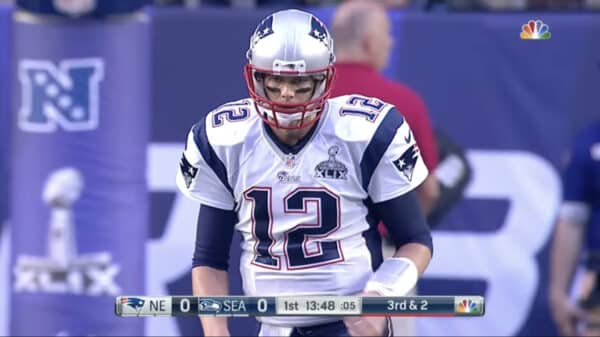
Carter views this gamble as worthwhile, emphasizing the knowledge Evans has gained from playing alongside Tom Brady during the latter stages of his career. “He got a preview of what longevity in the sport can look like,” Carter said, suggesting that Evans’ understanding of route craftsmanship and situational awareness should position him to age more gracefully compared to receivers whose performance hinges solely on speed.
The Missing Piece?
If this projection holds true, Evans could be the critical factor that elevates a San Francisco offense already featuring superstars like McCaffrey and George Kittle, under the direction of one of the league’s most innovative play designers, Shanahan. Should Carter’s insights prove accurate, the impact may reveal itself not merely through scoring plays and highlight moments but in quieter contributions—such as when a veteran receiver seals the edge on a rushing attempt, significantly shaping the physical identity the 49ers have endeavored to establish over the years.