

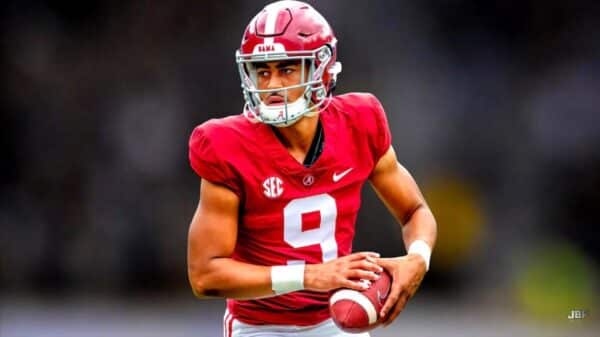

The NFL and college football communities are grappling with the tragic news of Rondale Moore’s unexpected passing. At just 25 years old, the wide receiver was with the Minnesota Vikings in 2025 but did not make any appearances in regular-season games due to an injury. Initial reports indicate the cause of death may be a self-inflicted gunshot wound, as detailed by an AFP report.
Moore’s suspected suicide highlights a growing concern among former NFL players, with many struggling with personal issues, including mental health challenges. Shockingly, data shows that from 2011 to 2019, the suicide rate for ex-NFL players was 2.6 times higher than that of their NBA and MLB counterparts.
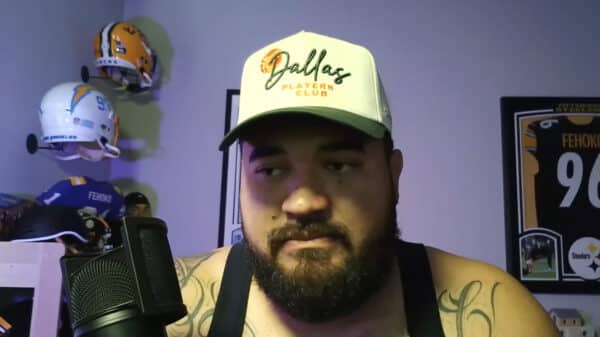
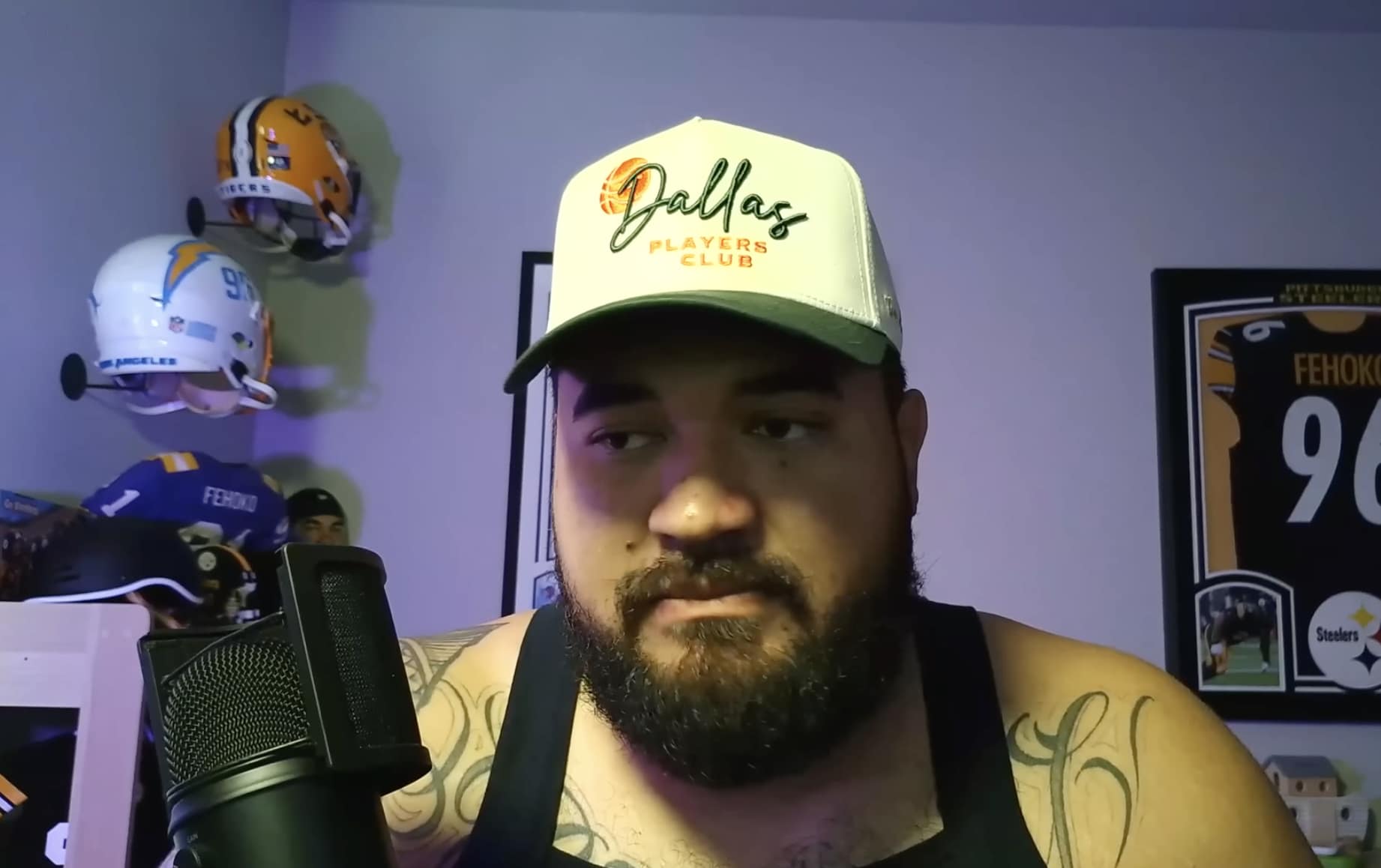
This conversation, unfortunately, has only recently gained traction among current and former players. Breiden Fehoko, a former nose tackle who spent five years in the NFL, has bravely decided to address this pressing issue. He asserts that while teams create public awareness campaigns for mental health, the underlying culture can often suggest otherwise.
“I’m just going to keep it real. I’m retired, so I’ll say what I want. These NFL teams promote mental health awareness, acting like they genuinely care and encouraging players to reach out. But the truth is, they are primarily focused on what you can deliver on game day,” Fehoko expressed in a tweet.
He highlights that revealing any personal struggles can often change a player’s standing within the organization. Fehoko claims he witnessed this shift firsthand.
“Many players avoid seeking help from staff in NFL organizations because they know they will be treated differently after disclosing their challenges. If you confide in someone, you’ll notice how their perception of you alters. I’ve seen it happen,” he stated.
Fehoko calls for a systemic change within NFL organizations, advocating for equitable treatment regarding mental health, whether for a star quarterback or a maintenance worker. He firmly believes that only with this shift can the significant issues surrounding mental health be genuinely addressed.
Imma keep it a stack.. I don’t care, I’m retired I’ll say what I want. These NFL teams come out here and post these mental health awareness posts talking about they care about players “don’t be afraid to reach out”etc. All they care about is what you bring to the table when it’s…
— Breiden Fehoko (@BreidenFehoko) February 22, 2026
If Fehoko’s statements hold any truth, the implications are alarming. If NFL players feel compelled to seek mental health support outside their teams—especially considering their frequent encounters with severe injuries, roster changes, and immense pressure—then a critical shift is urgently required.
These individuals need a robust system in place to offer psychological and psychiatric care at all times. Effective solutions may include confidential counseling services, access to qualified therapists and sports psychologists, regular mental health check-ins throughout the season, and programs that players can utilize without fear of career repercussions.
To further enhance this support, the process could emphasize confidentiality. The NFL, with its extensive financial resources, must prioritize these essential services to protect its players’ well-being.
While Moore’s passing has not been officially classified as a suicide, ongoing reports suggest it could be the case. An autopsy is slated for Sunday, which will provide further clarity on this tragic event.